The carnivore diet is as simple as it is radical: only animal products such as meat, fish, eggs, and butter are allowed . Sounds straightforward – but especially at the beginning, many people wonder: what exactly do I eat throughout the week?
A carnivore-friendly diet plan helps you stay on track, incorporate variety, and avoid common mistakes. Eating only steaks and eggs can quickly lead to nutritional deficiencies or boredom. With smart planning, however, you can ensure you include organ meats, fish, and various types of meat – for better nutrition and greater enjoyment.
In this article you will find:
-
a 7-day plan for a direct start,
-
a practical shopping list ,
- Tips for meal prep & everyday life
-
The most common mistakes when starting out – and how to avoid them.
👉 And the best part: You can download the complete nutrition plan with shopping list as a free PDF at the end of the article .
Brief summary
-
The carnivore diet means: exclusively meat, fish, eggs and (optionally) dairy products – zero carbohydrates.
-
A nutrition plan makes it easier to get started, avoids mistakes and provides variety.
- Our 7-day plan includes breakfast, lunch and dinner with steaks, eggs, fish, broths & offal.
-
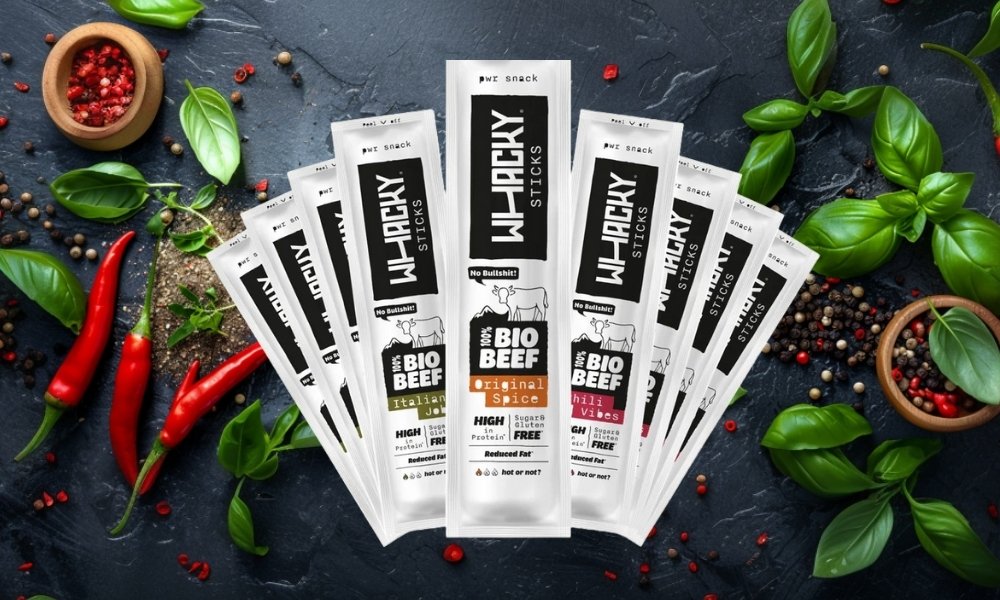
The shopping list includes meat, fish, eggs, fats & snacks such as organic beef sticks.
-
With meal prep and everyday tips, the diet remains suitable for everyday life, even when traveling or eating in a restaurant.
👉 Get the complete 7-day meal plan with shopping list as a PDF – perfect for getting started.
Why a nutrition plan helps when starting out
The carnivore diet sounds simple at first glance: meat, fish, eggs – that's it. In practice, however, getting started is often harder than expected. A clear meal plan offers several advantages:
-
Structure instead of aimlessness
Without a fixed plan, many people repeatedly reach for the same foods. This can quickly become monotonous – and increases the risk of nutritional deficiencies. A weekly meal plan provides variety and structure.
-
Focus on nutrient supply
Not all meat is created equal. While a steak provides plenty of protein, offal contains important vitamins (e.g., liver for vitamin A, heart for coenzyme Q10). A good plan ensures you combine different sources.
-
Motivation & Perseverance
Especially in the first week, it helps if you don't constantly have to ask yourself: What should I eat now? A pre-made plan takes this decision off your hands and makes the start much more relaxed.
Rapid progress
A structured start makes it easier for your body to switch to "zero carb" – and allows you to benefit more quickly from effects such as reduced cravings or more stable energy.
Basics of the Carnivore Diet
To ensure your start on the carnivore diet is successful, you should keep a few basic principles in mind. Even though the rules sound simple, there are pitfalls – especially regarding the ratio of fat to protein.
Principles of the diet plan
-
Only animal products: meat, fish, eggs and (optionally) selected dairy products.
-
Zero Carb: The goal is a carbohydrate intake of 0–10 g per day .
-
Focus on nutrient density: Offal, bone broth and various cuts provide more than just protein.
-
Variety: Different types of meat (beef, lamb, poultry, fish) provide more variety and better nutrition.
Balance between fat and protein
A common mistake when starting a carnivore diet: too much protein, too little fat .
-
Protein: important for muscles and satiety, but in excess it can put a strain on the body.
-
Fat: Main energy source in the carnivore diet – provides energy, hormone health and long-lasting satiety.
👉 Rule of thumb: Approximately 65–75% of calories from fat , the rest from protein.
Drinks & Snacks
-
Allowed: Water, mineral water, unsweetened black coffee or tea (in a liberal version).
-
Snacks: Hard-boiled eggs, beef sticks, beef jerky, cheese cubes (optional).
-
Avoid: soft drinks, alcohol, plant-based snacks such as nuts or fruit.
💡 Tip: Pay particular attention to your salt intake during the first few days – the body loses more electrolytes due to the elimination of carbohydrates.
7-Day Carnivore Diet Plan
Here you'll find a compact plan for the first week. It's designed to give you variety, allow you to try different types of meat, and ensure you get essential nutrients from offal and fish.
|
Butter coffee: only allowed in the "liberal carnivore" version.
👉 Get the 7-day meal plan as a PDF
👉 If you're looking for more inspiration: Check out our Carnivore Recipe Guide You'll find more ideas for breakfast, lunch and dinner here."
Notes on the diet plan
-
Include offal: Beef liver, in particular, is important for vitamin A, iron, and B vitamins.
-
Don't forget fat sources: butter, lard, bone marrow or cheese (optional) provide the necessary energy.
-
Drinks: Water, mineral water, possibly coffee or tea in the liberal version.
-
Snacks:
-
hard-boiled eggs
-
Beef jerky
- Organic beef sticks (convenient for on the go, without additives)
-
Cheese cubes (optional, if dairy products are tolerated)
-
hard-boiled eggs
💡 Download tip: Get the complete 7-day plan and shopping list as a PDF – perfect for printing or your smartphone.
Shopping list for the week (carnivore diet)
🥩 Meat & Poultry
- Ribeye steak (2-3 pieces)
- Minced beef (approx. 1 kg)
- Chicken legs (4-6 pieces)
- Pork belly (approx. 500 g)
- Veal steak (2 pieces)
- Lamb chops (4 pieces)
- Duck breast (2 pieces)
🐟 Fish & Seafood
- Salmon fillet (2 pieces)
- Trout (2 pieces)
- Prawns (250–300 g, fresh or frozen)
- Smoked salmon (200 g, e.g. for breakfast)
🥚 Eggs & dairy products (optional)
- 20–25 eggs (organic or free-range)
- Butter (500 g)
- Cheese (e.g. Cheddar, Gouda, Parmesan) – optional
- Yogurt (plain, full-fat, if tolerated)
🫀 Offal & Specialty Products
- Beef liver (200–300 g)
- Beef heart or kidney (optional, for variety)
- Bones & marrow bones (for broth)
🧈 Fat
- Clarified butter or ghee (200–300 g)
- Goose or pork fat (small jar)
- Bone marrow (ask a butcher)
🍖 Snacks
- Hard-boiled eggs (for meal prep at home)
- Beef jerky (sugar-free)
- Organic beef sticks (no additives, ideal for on the go)
- Optional: cheese cubes
💡 Tip: If possible, buy meat from pasture-raised or organic sources – it's not only healthier, but also tastes better.
Meal prep & everyday tips (restaurants, travel, family)
The carnivore diet is simple, but everyday life can present situations where you quickly find yourself wondering: What should I eat when I'm out, in a restaurant, or with my family? With a little preparation, the diet remains manageable even in a stressful daily routine.
Meal Prep Basics
-
Pre-cooking is worthwhile: Prepare larger portions of meat or chicken legs on the weekend – they will keep in the refrigerator for 2-3 days.
-
Freezing bone broth: Practical for quick meals or as an evening drink.
-
Eggs always at hand: Hard-boiled eggs are the perfect snack, quick to prepare and easy to take anywhere.
-
Snacks to go: Beef jerky and organic beef sticks are ideal for work, university or travel.
Restaurant tips
-
The easiest way is in a steakhouse or grill restaurant – there you can order meat plain.
-
Simply cancel side dishes like fries or vegetables and order more meat or eggs instead.
-
Fish restaurants are also carnivore-friendly (grilled fish, seafood).
Travel & On the Go
-
Pack some non-perishable snacks : beef sticks, jerky or canned fish.
-
At the hotel: Use the breakfast buffet (eggs, sausage, cheese).
-
You can find meat, cheese, or smoked fish almost everywhere, in markets or supermarkets.
Family & social environment
-
Cook meat as the main dish and add side dishes such as potatoes or vegetables for the family – that way everyone eats together.
-
Communicate openly that this is a time-limited experiment – this fosters understanding and relieves pressure.
- Important: Don't let comments discourage you – every body reacts differently, and you test what works for you.
Common mistakes when starting out as a carnivore
The carnivore diet sounds simple – but beginners often stumble over the same pitfalls. Avoiding these mistakes will save you unnecessary frustration and increase the chances of the diet working for you.
Mistake 1: Too much protein, too little fat
Many beginners focus on lean meat and therefore consume too much protein. The problem: When you're a carnivore, your body primarily needs fat as an energy source . Solution: Include fatty cuts (ribeye, pork belly, lamb) and fats like butter or lard.
Mistake 2: Not including offal in the plans
Steak and eggs are delicious, but they aren't enough in the long run. Liver, heart, and bone broth provide essential vitamins and minerals. Without them, the risk of deficiencies increases significantly.
Mistake 3: Too little salt & liquid
By cutting out carbohydrates, the body excretes more water and electrolytes. This can quickly lead to headaches or fatigue. Remedy: Increase salt intake and drink plenty of fluids (2-3 liters daily).
Mistake 4: Giving up too quickly
The first few days are tough for many: fatigue, digestive problems, or the so-called "keto flu." This is normal, as your body first needs to learn to use fat efficiently as an energy source. It's worth persevering – the symptoms often disappear after 1–2 weeks.
Mistake 5: Thinking all or nothing
Not everyone needs to be 100% carnivore. Some people do better with a more liberal approach (e.g., cheese, coffee, or occasional spices). Find the balance that works for you.
Conclusion – Start stress-free with a plan
The carnivore diet is radical, but much easier to follow with a clear meal plan . Instead of mindlessly eating steak and eggs every day, a structured 7-day plan provides variety, better coverage of essential nutrients, and makes getting started stress-free.
👉 Important: Don't see the plan as a rigid set of rules, but as a guideline . You can swap individual meals, vary quantities, and incorporate your own favorites – as long as you stick to the basic principles.
Call to Action
📅 Start now with our 7-day plan as a PDF and complete shopping list to print or use on your smartphone.
📥 Get the free grocery list – so you always have an overview when shopping.
And if you want to delve deeper, be sure to read our complete guide to the Carnivore Diet – there you will find all the information on benefits, risks, experiences and scientific background.
👉 You can find more recipe ideas and variations in our Carnivore Recipe Guide