Introduction
The keto diet is one of the most discussed diets worldwide today.
Whether for weight loss, better concentration or stable energy – more and more people are relying on ketosis to switch their metabolism to fat burning.
However, keto is not a "miracle diet", but a precise interplay of nutrition, hormones and energy balance.
Those who understand them correctly benefit from sustainable results – those who implement them incorrectly experience frustration, fatigue, or even project failure.
This comprehensive guide will tell you everything you need to know to implement keto in a scientifically sound, healthy and practical way :
- how your body enters and stays in ketosis
- which foods support you (and which ones hinder you),
- how keto works with sports, family and career,
- and which mistakes you should avoid to be successful in the long term.
This article is your guide through the nutrition jungle – written for people who not only want to lose weight , but also understand their bodies.
Brief summary
The ketogenic diet is more than a trend – it is a scientifically sound diet in which the body gets its energy from fat instead of carbohydrates.
This creates so-called ketone bodies , which provide constant energy and efficient fat burning.
In this Keto Guide you will learn:
- how ketosis works,
- what advantages and risks keto has,
- what you are allowed to eat (including food chart & plan),
- how to successfully implement keto in everyday life and sports,
- and how you can stay balanced in the long term with small routines.
👉 Whether you are a beginner or an experienced keto fan – this guide provides you with everything you need to properly understand the ketogenic diet and sustainably integrate it into your life.
Great 🙌 — here is chapter 1 of your Cornerstone article
"Keto Diet - The Comprehensive Guide to the Ketogenic Diet"
🧩 1. What exactly is the Keto diet?
The ketogenic diet – or keto diet for short – is a way of eating in which your body learns to use fat instead of carbohydrates as its main energy source .
The goal: to enter a state of ketosis , in which your metabolism produces ketone bodies from fat and burns them as an energy source.
While conventional diets rely heavily on carbohydrates, keto reverses this principle:
👉 Low carbohydrates, high fat, moderate amounts of protein.
⚖️ The Keto Macro Distribution at a Glance
| Macronutrient | Percentage of total calorie intake | Example |
|---|---|---|
| Fat | approximately 70–75% | Avocado, olive oil, butter, salmon |
| protein | approximately 20–25% | Eggs, meat, fish, quark |
| carbohydrates | max. 5–10% (20–30 g per day) | Vegetables, nuts, berries |
➡️ This means that instead of bread, pasta or rice, foods such as avocado, eggs, meat, fish, cheese, butter, nuts and green vegetables dominate your diet.
🧠 The goal: Ketosis
If you drastically reduce your carbohydrate intake, your body will deplete its glycogen stores within a few days.
If glucose is lacking as an energy source, your liver produces ketone bodies from fat – these serve as an alternative fuel for the brain, muscles and organs.
Simply put:
You burn fat because your body uses fat for energy.
This is the central mechanism that makes keto so effective for fat loss, mental clarity, and stable energy .
📜 A brief look at history
The ketogenic diet was originally developed in the early 20th century as a medical therapy for epilepsy.
Today it is used in completely different contexts – for example for weight management, athletic performance or to stabilize blood sugar levels.
🧩 Not all keto is the same – the different variations
| variant | Description | Suitable for |
|---|---|---|
| Standard Keto (SKD) | 70% fat, 25% protein, 5% carbohydrates | Beginners & Everyday Life |
| Cyclical Keto (CKD) | 5–6 days keto + 1 refeed day with carbohydrates | powerlifter |
| Targeted Keto (TKD) | Small amounts of carbohydrates around training | Active people |
| High-Protein Keto | Slightly more protein (up to 30%), less fat | People with muscle building goals |
For most beginners, the standard keto diet is ideal – simple, effective and easy to plan.
🔍 Keto vs. Low Carb – what's the difference?
Low carb means: fewer carbohydrates.
Keto means: so few carbohydrates that ketosis occurs.
👉 While low carb diets often allow 100–150 g of carbohydrates per day, keto diets only allow 20–30 g of net carbohydrates .
Only then will fat metabolism become dominant.
👉 Further reading: Differences between Keto vs. Low Carb
🥩 Keto vs. Carnivore – where are the boundaries?
The carnivore diet goes a step further: no plants, no carbohydrates, almost exclusively animal products.
In contrast, keto allows low-carbohydrate vegetables, nuts, seeds and dairy products – and is therefore more varied and sustainable in the long term.
👉 Further reading: Keto vs. Carnivore Diet
💡 Conclusion to Chapter 1
The keto diet is more than a nutritional trend – it is a precise metabolic concept.
When implemented correctly, it can take your energy levels, body awareness, and performance to a new level.
Crucial is understanding the macronutrient distribution and a clear start towards ketosis – the basis for all further steps.
🔬 2. How does ketosis work in the body?
Ketosis is the core of the ketogenic diet.
It is not a short-term "condition", but a complex metabolic process in which your body switches its energy source - from sugar (glucose) to fat (ketone bodies) .
Understanding this mechanism will also help you understand why keto is so effective for fat burning, energy, and mental clarity.
⚙️ Energy metabolism: From sugar to fat burner
Under normal circumstances, your body gets most of its energy from carbohydrates .
These are converted into glucose and stored as glycogen in muscles and liver.
As soon as you reduce your carbohydrate intake (below approximately 30g per day), the following happens:
1️⃣ Glycogen stores are depleted – after 1–2 days your body has hardly any glucose available.
2️⃣ Insulin levels drop – fat burning is activated.
3️⃣ The liver produces ketone bodies from fatty acids.
4️⃣ These ketone bodies replace glucose as the main energy source – for muscles, heart and brain.
➡️ The result: your body runs in "fat mode" – it uses stored body fat for energy.
🧠 The three ketone bodies – your new energy trio
| Ketone bodies | abbreviation | function |
|---|---|---|
| Acetoacetat | AcAc | The first ketone body is produced directly from fatty acids. |
| Beta-hydroxybutyrate | BHB | Main energy source for brain & muscles – measurable in the blood. |
| acetone | – | A byproduct that is excreted via breath (typical "keto smell"). |
👉 BHB (beta-hydroxybutyrate) is particularly crucial: it provides the brain with constant energy – without blood sugar fluctuations.
🔍 When does ketosis begin – and how can you recognize it?
Most people reach ketosis after 2–4 days , depending on:
- Carbohydrate intake (less than 30 g net)
- physical activity
- Fat intake
- individual metabolic rate
Typical signs of ketosis:
✅ Stable energy level
✅ Less hunger & cravings
✅ Clearer thinking, increased focus
✅ “Keto Breath” (slight acetone odor on breath)
🧪 How to measure ketosis
| method | Measured variable | Advantage | Disadvantage |
|---|---|---|---|
| Blood test | BHB value in mmol/L | Very precise | Measuring device & test strips required |
| Breath analysis | Acetone level | Easy & quick | less precise |
| Urine test | Acetoacetat | inexpensive, good for beginners | inaccurate after habituation |
💡 Guideline:
-
Ketosis begins at approximately 0.5 mmol/L BHB .
-
The optimal range for fat burning is between 1.0–3.0 mmol/L .
⚖️ How long does keto adaptation take?
Fat adaptation – the point at which your body permanently and efficiently uses fat as an energy source – takes longer:
⏱️ approximately 3–6 weeks , depending on activity and dietary consistency.
During this phase, transition symptoms may occur (“keto flu”): fatigue, headaches, concentration problems.
These usually disappear after a few days, once electrolytes and energy levels stabilize.
👉 Further reading: Avoiding Keto Diet Mistakes
⚡ Ketosis in everyday life – energy from fat
The major difference to conventional nutrition:
You are no longer dependent on meals or snacks – your body always has energy because it uses fat reserves.
That means:
- No more afternoon slump
- Less cravings
- Increased endurance during sports
- Improved concentration throughout the day
👉 In-depth: Keto and Sport: How the diet affects your performance
💡 Conclusion to Chapter 2
Ketosis is not a short-term trick, but a natural metabolic adaptation.
Once your body has learned to use fat as its primary fuel, you will experience stable energy, improved fat burning, and mental sharpness .
The prerequisites: patience, a clean diet and the right balance of fat, protein and exercise.
💪 3. The benefits of the ketogenic diet
The keto diet is not just a short-term trend, but a scientifically sound nutritional strategy with profound effects on metabolism, energy and performance.
When implemented correctly, it can bring body and mind into a new balance – and in a natural way.
🔥 1. Effective fat burning & weight loss
The most well-known benefit of keto: your body actively accesses stored fat because carbohydrates are lacking.
Due to the low insulin release, fat burning remains constantly active – day and night.
💡 Studies show that keto often leads to faster and more sustainable fat loss compared to traditional diets, especially in the abdominal area.
In addition, many report significantly less hunger – because fat and protein provide long-lasting satiety.
Practical advantage:
You eat less often, stay full longer – and still lose weight without counting or starving.
👉 In-depth information: Keto diet plan – 7 days to start ketosis
⚡ 2. Stable energy & mental clarity
The typical afternoon slump after pasta or bread rolls?
That doesn't exist in keto.
Ketone bodies provide a steady energy source that is not tied to fluctuations in blood sugar.
Many keto users report:
- higher focus,
- constant power,
- and a clear, alert mind throughout the day.
🧠 Reason: Ketones easily penetrate the blood-brain barrier and supply the brain directly – without the subsequent “sugar crash”.
💪 3. Improved physical performance & recovery
Although keto is often confused with "low energy" – the opposite is true.
Once your body is fat-adapted , it efficiently uses its virtually unlimited fat reserves as an energy source – ideal for endurance and consistent performance .
Endurance athletes in particular benefit: fewer energy dips, more stable performance and faster regeneration.
Practical tip:
Light, protein-rich snacks such as organic beef sticks or hard-boiled eggs before or after training provide protein and fat without interrupting ketosis.
👉 In-depth: Keto and Sport: How the diet affects your performance
💖 4. Hormonal balance & appetite control
Keto not only stabilizes blood sugar, but also hormonal processes that directly affect hunger, satiety and fat metabolism .
Less insulin → less fat storage
- Increased leptin sensitivity → your body knows when it's full
- Stable ghrelin levels → less cravings
The result: You automatically make better nutritional choices – without coercion or deprivation.
🩸 5. Improved blood sugar & insulin levels
Keto is increasingly being investigated in the treatment of type 2 diabetes and insulin resistance .
The drastic reduction in carbohydrates leads to a stable decrease in blood sugar levels and a reduction in insulin requirements.
🧬 Studies prove:
A ketogenic diet can significantly lower the HbA1c level (long-term blood sugar) – often after just a few weeks.
[Source: Virta Health Study, 2019]
🧘♀️ 6. Mental balance & mood
Carbohydrates affect neurotransmitters such as serotonin and dopamine – the constant ups and downs in sugar levels cause mood swings.
Ketone bodies, on the other hand, promote constant energy in the brain and can reduce depressive moods or irritability.
Many report:
- more stable mood,
- less nervousness,
- better sleep.
🧴 7. Skin, Hair & Anti-Aging Effects
Keto reduces inflammation and oxidative stress – two major factors in skin aging.
Less sugar = less glycation = more elastic skin.
Hormone-related hair loss can also be reduced by a balanced intake of fats (e.g., Omega-3, avocado, egg, organic meat).
👉 In-depth: Keto & Hair Loss – Causes & Tips
💡 Conclusion to Chapter 3
The benefits of the ketogenic diet are extensive – from weight loss to performance and mental balance .
When implemented correctly, keto is not a restriction, but a metabolic optimization: your body works more efficiently, your mind clearer, your energy level more stable.
⚠️ 4. Possible side effects of the keto diet – and how to avoid them
As effective as keto is, getting started can be challenging.
When your body switches from glucose to fat burning, it runs "on reserve" for a few days.
This is completely normal – but without preparation, it leads to typical symptoms of the so-called “keto flu” for many.
This chapter shows you what happens during this phase , what side effects are common – and how to specifically avoid them.
If you notice more hair in your brush or shower after a few weeks of keto, you're not alone: Keto can (usually temporarily) affect the hair growth cycle – primarily due to calorie deficit, stress, or micronutrient deficiencies. This article will tell you about the most common causes and provide specific countermeasures: Keto Hair Loss – Causes & Tips .
🤒 1. The Keto Flu – What's Really Behind It
In the first 3-7 days after launch, many report:
- Headache
- Fatigue or dizziness
- Concentration problems
- Muscle cramps
- Irritability or sleep problems
These symptoms occur because your body:
1️⃣ Loses water and electrolytes (through glycogen breakdown),
2️⃣ switches to fat burning ,
3️⃣ and has not yet produced a sufficient amount of ketone bodies.
💡 The good news:
The keto flu is temporary and not a sign that you're doing anything wrong.
It usually disappears completely after 4-5 days.
🧂 2. Electrolyte deficiency – the invisible problem
Due to increased water excretion, your body loses sodium, magnesium and potassium – crucial for energy, muscle function and concentration.
Typical symptoms:
- Muscle twitching
- Dizziness
- Exhaustion
- Headache
✅ Here's how to prevent it:
- Drink 2.5–3 liters of water daily.
- Add some salt to your water or to your meals
- Regularly consume foods rich in sodium and magnesium, such as avocado, almonds, salmon, and mineral water.
- Optional: Electrolyte powder without added sugar
👉 Further information: Avoiding Keto Diet Mistakes
🥴 3. Too little fat – the most common cause of lack of energy
Many keto beginners reduce carbohydrates – but don't increase fat enough.
The result: low energy, bad mood, intense cravings.
➡️ Solution:
Increase fat gradually – through healthy sources such as:
- Avocado 🥑
- Olive oil 🫒
- Butter & Ghee 🧈
- Salmon & Eggs 🐟🥚
- Organic Beef Sticks 🥩 – ideal for on the go, 0g sugar, 10g protein per stick
This is how you ensure that your body gets enough "fuel" for ketosis.
🧘♀️ 4. Constipation – a solvable digestive problem
Reduced fiber intake due to lower carbohydrate consumption can slow down digestion.
👉 No need to worry – this can be easily corrected.
✅ Tips for healthy digestion:
- Eat low-carbohydrate vegetables daily (e.g., zucchini, broccoli, spinach)
- Drink enough water
- Add flax seeds, chia seeds, or psyllium husks
- Exercise regularly
💡 After a few days, the digestive rhythm returns to normal.
💤 5. Sleep problems in the initial phase
Some people report difficulty falling asleep during the first few days of the keto diet.
The reason is the hormonal change: decreasing insulin levels, increased cortisol levels.
Solutions:
- No caffeine after 2 p.m.
- Magnesium (e.g. magnesium glycinate) in the evening
- Eat at least 3 hours before going to sleep
- Establish an evening routine (lights down, phone away)
After 1-2 weeks, sleep usually returns to normal – many even sleep more deeply and restfully .
🚰 6. Drinking too little – an underestimated keto killer
A common cause of fatigue or headaches: dehydration .
Without carbohydrates, your body retains less water.
💧 Drink recommendation:
35–40 ml per kg of body weight (e.g. 3 L for 75 kg).
More so during sports or in hot weather.
💡 Tip:
Drink a glass of water before every meal – this increases satiety and supports fat burning.
⚖️ 7. Keto is not a license to overeat
A common misconception: "Keto means I can eat whatever I want."
Fat also contains calories. Those who consistently eat too much will not lose weight – even in ketosis.
✅ Balance is key:
Fat = energy source, not a free pass
- Pay attention to natural satiety
- Only snack when you're really hungry
💡 Conclusion to Chapter 4
Most side effects of the keto diet are temporary and avoidable if you know what to look out for.
With sufficient fat intake, enough water, electrolytes and a little patience, you can easily master the transition into ketosis – without frustration, without loss of energy.
🥑 5. Keto Foods – What you can eat (and what you can't)
Choosing the right foods is the foundation of any successful keto diet. To ensure you know exactly what's keto-friendly when shopping (and which products might unknowingly kick you out of ketosis), here's a complete overview of allowed, restricted, and forbidden foods: Keto Food List .
Keto doesn't mean "eating less" – but eating more consciously : foods with plenty of fat, moderate protein and as few carbohydrates as possible.
In this chapter you will find the keto staple foods , gray area foods and no-gos that can throw you out of ketosis.
✅ Allowed foods – your keto basics
| category | Food examples | Advantages |
|---|---|---|
| 🥩 Meat & Eggs | Beef, pork, lamb, poultry, game, eggs | Protein, B vitamins, iron, zinc |
| 🐟 Fish & Seafood | Salmon, mackerel, sardines, herring, shrimp | Omega-3 fatty acids, iodine, protein |
| 🧈 Fats & Oils | Olive oil, coconut oil, butter, ghee, avocado oil | Main energy source, supports ketosis |
| 🥦 Vegetables (above ground) | Broccoli, cauliflower, zucchini, spinach, asparagus | Fiber, vitamins, antioxidants |
| 🧀 Dairy products (high in fat) | Cheese, cream, sour cream, Greek yogurt, quark | Fat & protein, satiating |
| 🌰 Nuts & Seeds | Almonds, walnuts, chia seeds, flax seeds, coconut flakes | healthy fats, fiber |
| 🍓 Berries (in moderation) | Raspberries, blackberries, strawberries | Low in sugar, high in antioxidants |
| 🥤 Drinks | Water, tea, coffee, unsweetened plant-based milk | Hydrates & activates metabolism |
| 🥩 Snacks for on the go | Organic beef sticks , cheese cubes, hard-boiled eggs | high in protein, sugar-free, long-lasting |
💡 Practical tip:
Create your personal keto shopping list (PDF download available) and mark the foods you need regularly – this saves time and prevents incorrect purchases.
⚠️ Gray area foods – allowed, but in moderation
| category | Groceries | Recommendation |
|---|---|---|
| 🍅 Vegetables with more starch | Tomatoes, onions, carrots | Use sparingly |
| 🧃 Milk & Yogurt | Contains lactose – approx. 5 g carbohydrates/100 ml | only small quantities |
| 🥜 Cashews & Pistachios | 18–27 g carbohydrates/100 g | rare, small portion |
| 🍷 Alcohol | Dry wine, gin, vodka | Occasionally, no cocktails |
| 🧂 Sweeteners | Erythritol, Stevia | OK in small quantities |
| 🍫 Sugar-free chocolate | minimum 85% cocoa | small pieces allowed |
👉 Note:
These foods aren't taboo – but too much of them adds up quickly. Check your net carb intake regularly.
❌ Forbidden Foods – Ketosis Killers
| category | Food examples | Why avoid it? |
|---|---|---|
| 🍞 Grains & Starch | Bread, pasta, rice, oats, corn, potatoes | too many carbohydrates |
| 🍭 Sugar & Sweets | Household sugar, honey, fruit juices, cakes | interrupt ketosis |
| 🧃 Ready meals & light products | "Low-fat" yogurt, muesli bars, dressings | Added sugars, starch |
| 🍌 Fruit with high fructose content | Bananas, apples, grapes, mangoes | too much fructose |
| 🍺 Beer & sweet cocktails | contain malt & sugar | inhibit fat burning |
💡 Tip:
If you are unsure, always check the nutritional information per 100g .
Goal: less than 5g net carbohydrates per serving.
🧮 What are net carbohydrates?
Not all carbohydrates have the same effect – in keto, only what actually affects blood sugar counts.
👉 Formula:
Net carbohydrates = Total carbohydrates – Dietary fiber – Sugar alcohols
Example:
100 g broccoli = 7 g carbohydrates – 3 g fiber → 4 g net carbohydrates ✅
This way you can quickly see whether processed products are keto-compatible.
🥩 Keto snacks that keep you in ketosis
For those who travel a lot or often snack between appointments:
The wrong snacks can stop ketosis – the right ones keep it stable.
Especially when you're on the go, the right snack often determines whether you stay in ketosis or accidentally fall into sugar traps. Here you'll find savory snack ideas, shopping tips, and combinations for the office, travel, and movie night: Keto Snacks – Ideas for On the Go & In Between .
✅ Keto-friendly snack ideas:
🥩 Organic Beef Sticks – 100% beef, 0g sugar, long-lasting & filling
🧀 Cheese cubes or Parmesan crisps
🥑 Avocado with salt
🥚 Boiled eggs
🥜 Almonds or walnuts
🧈 Bulletproof Coffee (coffee with butter or coconut oil)
💡 Conclusion to Chapter 5
Keto doesn't work by counting calories, but by choosing and choosing the right foods .
The more natural, unprocessed, and high in fat your meals are, the easier it is for your body to stay in ketosis.
With the right list, clear portion sizes and practical snacks (e.g. organic beef sticks), keto becomes suitable for everyday life – at work, while traveling or during sports.
🚀 6. How to start the keto diet correctly
Many people start Keto motivated – and quit frustrated.
Not because the diet doesn't work, but because the start was poorly planned.
Switching to fat burning is not a sprint, but a process.
With the right preparation, you can start without cravings, fatigue, or keto flu .
🧭 Step-by-step guide to starting your keto diet
Step 1: Understand your macronutrients
Keto is based on a clear nutrient ratio:
👉 70–75% fat | 20–25% protein | 5–10% carbohydrates
This will give you about 20-30g of net carbohydrates per day .
This corresponds, for example, to:
- 1 avocado 🥑
- 1 handful of broccoli 🥦
- 1 small portion of berries 🍓
💡 Tip: Use an app like Yazio or Cronometer to get a feel for the quantities at the beginning.
Step 2: Empty your kitchen – deliberately!
Keto starts in the mind – and in the pantry.
Sort out all products that might tempt you:
❌ Bread, pasta, rice, muesli
❌ Fruit juices, soft drinks, energy drinks
❌ Light products and ready-made sauces
❌ Sweets, snacks containing sugar
✅ Fill your kitchen with:
- Eggs, cheese, meat, fish
- Butter, coconut oil, olive oil
- Vegetables (zucchini, cauliflower, spinach)
- Nuts, seeds, berries
Step 3: Plan your first week
Structure helps enormously – especially at the beginning. If you don't want to improvise, a clear plan is the fastest way to stable ketosis. Here you'll find a practical 7-day plan including meal ideas and snack options, perfect for beginners: Keto Meal Plan: 7 Days to Start Ketosis .
A simple 7-day plan gives you security and prevents bad decisions.
Example start plan:
| day | Breakfast | Lunch | Dinner | snack |
|---|---|---|---|---|
| Monday | Scrambled eggs with bacon & spinach | Salmon with broccoli & butter | Zucchini noodles with chicken | 🥩 Organic Beef Stick |
| Tuesday | Bulletproof Coffee | Chicken salad with avocado | Pork belly & cauliflower puree | cheese cubes |
| Wednesday | Quark with berries | Ground beef with vegetables | Omelet with mushrooms | nuts |
| Thursday | Egg muffins | Shrimp with zucchini | Chicken thighs in the oven | avocado |
| Friday | Protein pancakes (erythritol) | Salmon with green asparagus | Scrambled eggs with cheese | Organic Beef Stick |
| Saturday | Sour cream with chia seeds | Minced meat stir-fry with spinach | Steak with butter | Walnuts |
| Sunday | Cheese omelet | Keto pizza (almond flour base) | Cauliflower salad with tuna | Berries + Quark |
Step 4: Drink enough water
During the first week, your body loses water and electrolytes.
Therefore, drinking enough fluids is crucial .
💧 Target: 35–40 ml per kg of body weight
Example: 70 kg → approx. 2.5–3 L daily
Tip:
Drink a glass of water before each meal to support energy and digestion.
A squeeze of lemon or a few cucumber slices add variety.
Step 5: Prepare for the keto flu
Fatigue, headaches or muscle twitching in the first few days?
That's just your body adjusting.
✅ What helps:
- Add salt to the food or water
- Avocado, spinach & almonds for magnesium
- Organic beef sticks & cheese for sodium & protein
- 7-8 hours of sleep daily
Step 6: Stay flexible & listen to your body
Everyone reacts differently. Some are in ketosis after 3 days, others need 10.
What matters is not perfection, but consistency .
👉 If you're hungry – eat fat.
👉 If you are tired – drink water.
👉 If you're feeling frustrated – remember: your body is learning to burn fat.
🧠 Bonus tip: How to make ketosis measurable
If you want to know exactly, you can simply measure your ketosis.
Recommendation for beginners:
-
Urine test strips for beginners (cheap & easy)
-
Later, possibly breath or blood tests.
Optimal ketosis range: 1.0–3.0 mmol/L BHB.
💡 Conclusion to Chapter 6
A successful start to keto is not based on deprivation, but on structure.
With planning, patience and the right foods, you can achieve ketosis in a few days – and maintain it long-term.
Keep your diet simple, fresh and high in fat – and you will notice how your energy levels rise and your body reprograms itself.
🏋️♀️ 7. Keto and Sport – How training and ketosis complement each other
One of the most common myths: "With keto you have no energy for sports."
In reality, the ketogenic diet – if implemented correctly – can even improve your athletic performance, recovery and focus .
The crucial factors are when and how you train and what adaptation phase you allow your body.
If you train regularly, keto isn't automatically performance-inhibiting – but the transition phase and the right timing make all the difference. Here you'll learn how keto affects endurance, strength, and recovery, and how to optimally plan your nutrition around your training: Keto and Sport: How the diet influences your performance .
⚙️ 1. What happens during training in ketosis?
When you are in ketosis, your body uses fat and ketone bodies as its main energy source instead of glucose.
This gives you a virtually unlimited energy reserve – ideal for long, steady loads.
While initially there may be a slight decrease in "explosiveness", this increases after the adaptation phase:
- the fat burning rate ,
- endurance performance ,
- and recovery after intense workouts .
💡 After about 3-4 weeks of keto adaptation, fat becomes the preferred energy source for your muscles – and blood sugar remains consistently stable.
🧠 2. Keto for different types of athletes
Not every sport benefits equally from keto.
Here's an overview of when ketosis works optimally – and when you should make targeted adjustments:
| sport | Effects of Keto | Recommendation |
|---|---|---|
| 🏃♀️ Endurance sports (jogging, cycling, hiking) | Highly effective – constant energy without a blood sugar crash | Ideal for long distances and moderate intensity |
| 🧘♀️ Yoga & Functional Training | Supports focus & balance | Perfectly combinable with keto |
| 🏋️♂️ Strength training & bodybuilding | Adjustment required – less power initially | More protein (1.8–2 g/kg) and targeted refeed are needed. |
| ⚡ High-intensity & sprint training | Glucose is needed in the short term. | Optional "Targeted Keto" with small amounts of carbohydrates before training |
🥩 3. Nutrition around training
A common mistake among keto athletes: insufficient energy or protein intake.
Especially during training, you need sufficient fat and protein to maintain and regenerate muscles.
✅ Before training:
- Eat an easily digestible meal containing fat and protein 1-2 hours beforehand
(e.g. scrambled eggs with avocado 🥑 or salmon with spinach 🥬)
- When you need something quick: Organic Beef Stick 🥩 – 10g protein, 0g sugar, perfect for on the go
✅ After training:
- 30–60 minutes later: protein source + fat source (e.g. eggs, cheese, nuts)
- No need for a classic "carb reload" – your body regenerates via ketones
💡 Tip:
If you train in the evening, eat a small source of fat afterwards – this will stabilize your sleep and keep you in ketosis.
💧 4. Water & electrolytes are crucial
When you sweat, you lose not only fluids but also electrolytes – and even more than usual when following a keto diet.
Ignoring it can lead to muscle cramps or exhaustion.
✅ Here's how to stay balanced:
Drink approximately 250–300 ml of water for every 30 minutes of exercise.
- Add some salt or sugar-free electrolyte powder
- Prefer mineral waters high in sodium
- Snack idea after training: Organic beef stick + cucumber water (source of salt)
🧩 5. Adaptation for competitive athletes: “Targeted Keto” & “Cyclic Keto”
If you train a lot and intensely, Keto can be specifically adapted:
🥔 Targeted Keto (TKD)
→ small amount of complex carbohydrates (10–30 g) directly before training
(e.g. sweet potato or some berries)
→ provides short-term energy for anaerobic exertion
🔄 Cyclic Keto (CKD)
→ 1 refeed day per week with controlled carbohydrates (100–150 g)
→ Ideal for strength athletes & CrossFitters
Both options only work if you are already fat-adapted (at least 3 weeks of keto experience).
🧘♀️ 6. Regeneration & Sleep – the invisible training
Keto is a stress factor – just like exercise.
Those who combine both need sufficient sleep and micronutrients to be able to regenerate.
✅ Recovery hacks:
- 7-8 hours of sleep per night
- 1 day off per week
- Magnesium (e.g., in the evening as glycinate)
- Regular exercise instead of continuous training
👉 In-depth information: The 10 most common mistakes on the keto diet – and how to avoid them
💡 Conclusion to Chapter 7
Keto and sport are not a contradiction – but a synergistic combination.
With a little patience, adjusted nutrient intake and a focus on fat burning, you will become more efficient, more focused and recover faster.
Whether you're running, lifting weights or doing yoga – Keto brings calm to your energy levels and consistency to your training.
And what if hunger strikes?
👉 Organic Beef Sticks – your smart companion for ketosis and muscle power.
⚙️ 8. Using Macros, Micros & Supplements Correctly
The ketogenic diet only works if you find the right balance of macronutrients and micronutrients .
While fat and protein determine how your body obtains energy, vitamins, minerals and electrolytes ensure that everything runs smoothly.
In this chapter you will learn how to find your ideal ratio, which micronutrients are particularly important – and when supplements make sense.
🥑 1. The breakdown of macronutrients (macros)
The core of the keto diet is macronutrient distribution. It determines whether you stay in fat-burning mode or unconsciously revert to sugar metabolism .
📊 Standard keto ratio:
| Macronutrient | share of total energy | Typical amount per day (at 2,000 kcal) | Examples |
|---|---|---|---|
| Fat | 70–75% | 155–170 g | Avocado, olive oil, butter, salmon |
| protein | 20–25% | 90–120 g | Eggs, meat, fish, cheese |
| carbohydrates | 5–10% | max. 20–30 g net | Zucchini, spinach, berries |
💡 Practical tip:
Use tracking apps like Yazio , Cronometer or FDDB in the first few weeks to get a feel for your quantities.
After a short time, you automatically develop a sense of "what keto is – and what it isn't".
🍗 2. Protein – the balancing act between muscle building and ketosis
Protein is essential for muscle maintenance, hormones, and satiety.
However: Too little slows down progress – too much can disrupt ketosis.
✅ Optimal:
1.5–2.0 g protein per kg body weight
(e.g. 105–130 g for a body weight of 70 kg)
💪 Practical example per day:
-
2 eggs 🥚
-
200g meat or fish 🥩
-
1 Organic Beef Stick for on the go
-
100g quark or cheese 🧀
💡 This way you stay full, build muscle – and maintain ketosis at the same time.
🧈 3. Fats – the fuel for ketosis
Fats provide 70-75% of your calories and are the main energy source in the keto diet.
However, the quality of the fat sources is important – because not all fats are equally healthy.
| category | Good fats ✅ | Bad fats ❌ |
|---|---|---|
| Oils & Butter | Olive oil (virgin), coconut oil, avocado oil, ghee, butter | Margarine, refined vegetable oils (e.g. soy, safflower) |
| Animal sources | Salmon, mackerel, beef, pork belly, eggs | Deep-frying fats, sausage with additives |
| Plant sources | Nuts, seeds, avocado, chia seeds | Cheap nut mixes, sugar-coated snacks |
💡 Rule: The more natural the fat, the better for your ketosis.
🥦 4. Carbohydrates – small but important
Even in the keto diet, carbohydrates have their place – they provide fiber and micronutrients.
✅ Allowed:
-
Vegetables above ground (broccoli, cauliflower, spinach, zucchini)
-
Small quantities of berries (strawberries, raspberries, blackberries)
-
high-fiber seeds (chia, flaxseeds)
⚠️ Avoid:
-
Starchy vegetables (potatoes, corn, carrots in large quantities)
-
Sugar, grains, fruit juices
⚡ 5. Micronutrients – the underestimated game changers
In ketosis, your body loses more water – and therefore also minerals.
This can trigger fatigue, headaches, or muscle pain.
Therefore, electrolytes and micronutrients are essential.
| micronutrient | function | Keto source | Daily requirement |
|---|---|---|---|
| sodium | regulates water balance and blood pressure | Salt, broth, cheese | 3–5 g |
| potassium | Muscle Function & Energy | Avocado, spinach, salmon | 2–3 g |
| magnesium | Nerves, regeneration, sleep | Almonds, pumpkin seeds, mineral water | 300–400 mg |
| Zinc & Selenium | Immune system & thyroid | Meat, eggs, nuts | 10–70 µg |
| Vitamin D | Fat metabolism & hormone balance | Sun, fish, supplement | 1000–2000 IU |
💡 A little trick: A pinch of salt in the water or broth in the afternoon works wonders against keto fatigue.
💊 6. Useful Supplements for Keto
Supplements make particular sense in the first few weeks or for people who are physically active.
Recommended supplements:
| Supplement | To use | Application |
|---|---|---|
| Electrolyte mix | balances sodium, potassium, magnesium | Once a day in the water |
| Omega-3 (fish oil) | reduces inflammation, promotes heart health | 1000–2000 mg daily |
| Vitamin D + K2 | Strengthens the immune system, supports fat metabolism | 1000–2000 IU daily |
| MCT source (e.g., from coconut oil) | rapid ketone body production, energy | 1 tablespoon in coffee or shake |
| Collagen / Gelatin | good for joints, skin & connective tissue | 10 g daily in water or yogurt |
👉 Look for natural sources and tested quality – less powder, more real food.
📦 Practical guide: How to find your ideal macro ratio
1️⃣ Define your goal:
Weight loss → increased body fat percentage
Muscle building → more protein
Increase performance → slightly increased carbohydrates (Targeted Keto)
2️⃣ Start with the default ratio:
70% fat / 25% protein / 5% carbohydrates
3️⃣ Adapt to:
When you're tired or hungry → more fat
If you 're not losing weight → slightly less fat or more exercise
If you do competitive sports → small amount of carbohydrates before training
4️⃣ Test & observe:
Everyone's body reacts differently. After 2-3 weeks you'll notice what gives you energy.
🌱 7. Sustainability & balanced nutrient intake
Keto is not a short-term diet, but can be a permanent way of eating – if you design it intelligently.
Pay attention to:
✅ Organic quality & regional sourcing: fewer pollutants, more nutrients
✅ Variety: Rotate foods to avoid micronutrient deficiencies
✅ Balance: Don't be afraid of vegetables – fiber is important for gut health
✅ Conscious fats: Alternate between animal and plant-based fat sources
💡 Keto can be sustainable, healthy and enjoyable – not extreme.
🧠 Conclusion to Chapter 8
Keto is more than just fat and meat – it's a fine-tuned balance of energy, nutrients, and equilibrium.
If your macros are right, your micros are adequately supplied, and you rely on real food rather than powders, then keto works holistically:
👉 More energy, stable performance and sustainable health.
🚫 9. The most common keto mistakes – and how to avoid them
Even though keto sounds simple, many people fail due to the same pitfalls.
Often it's small inaccuracies – a splash of milk here, an apple there, too little fat or water – that throw you out of ketosis or slow down progress.
To help you successfully implement Keto in the long term, here is an overview of the most common mistakes – compact, practical and with quick solutions.
⚠️ Top Keto Mistakes at a Glance
| ❌ Error | 🔍 Effect | 💡 Solution |
|---|---|---|
| Hidden carbohydrates | Ketosis is interrupted | Check ingredient lists, pay attention to sugar endings (-ose, -syrup, -starch). |
| Too little fat | Energy drop, cravings | Include 1-2 tablespoons of healthy fats (e.g., olive oil, butter, avocado) with every meal. |
| Too much protein | Inhibits ketone body production | 1.5–2 g of protein per kg of body weight – no more |
| Too little water | Fatigue, headaches, "keto flu" | 2.5–3 L of water + electrolytes (salt, magnesium, potassium) daily |
| Too little sleep / too much stress | Cortisol inhibits fat burning. | 7-8 hours of sleep, evening routine, short meditation |
| Too little vegetables | Micronutrient deficiency | 2-3 portions of green vegetables daily (broccoli, spinach, zucchini) |
| Portions that are too large | No fat loss despite ketosis | Mindful eating, slight calorie deficit (-300 kcal) |
| Too much fruit | Fructose blocks ketosis | Max. 1 handful of berries per day |
| Lack of planning | Stress, bad decisions | Meal prep, weekly plan, preparing keto snacks |
| Lack of patience | Giving up before fat adaptation | Stick with it consistently for 3-4 weeks |
🧩 Practical tips to avoid the most common keto traps
-
Plan your meal prep:
Prepare 2-3 meals per week – this will help you stay consistent.
👉 In-depth information: Keto diet plan – 7 days to get started -
Snack cleverly:
Always keep keto snacks on hand – e.g., organic beef sticks , cheese cubes, nuts.
👉 In-depth: Keto Snacks – Ideas for on the go and in between meals -
Establish a drinking routine:
Having a 1-liter bottle at the workplace helps to control fluid intake. -
Pay attention to stress levels:
Hormones also play a role in fat burning – sleep and rest are part of the keto success equation.
💡 Conclusion to Chapter 9
Most people don't fail due to a lack of discipline, but rather because of typical beginner mistakes: hidden carbohydrates, insufficient electrolytes, or an incorrect macro ratio. To help you avoid these pitfalls, here are the most common mistakes and their solutions: The 10 most common mistakes on the keto diet .
Keto rarely fails due to a lack of discipline – usually due to small everyday mistakes.
If you know your macros, plan ahead, drink enough water, and stay flexible, you'll avoid 90% of all problems.
👉 Remember: Keto is not a sprint, but a process.
With patience, routine, and healthy fat sources, the ketogenic diet becomes a lifestyle – not a diet.
🔍 10. Keto in comparison: Low-carb, Carnivore & Co.
Keto is just one form of low-carbohydrate diet – but it is the most consistent.
To understand why keto works differently than classic low-carb or carnivore diets, a direct comparison is worthwhile.
In this chapter you will learn about the most important differences, advantages and disadvantages – and which diet best suits your goals.
Low-carb and keto diets are often confused – but they differ primarily in the amount of carbohydrates consumed, the goal (ketosis yes/no), and their suitability for everyday life. If you want to find out which is better for you, read the direct comparison here, including a decision-making guide: Keto vs. Low Carb Difference .
🥦 1. Low-Carb vs. Keto – What's the difference?
Both reduce carbohydrates, but the underlying metabolism is completely different .
| feature | Low-carb | Keto |
|---|---|---|
| carbohydrates | 50–150 g/day | max. 20–30 g/day |
| Goal | Blood sugar stabilization, moderate fat loss | Ketosis: Fat becomes the energy source |
| Energy source | Mixture of glucose and fat | Ketone bodies from fat |
| Protein content | higher (25–30%) | moderate (20–25%) |
| Fat content | 40–50% | 70–75% |
| Typical mistakes | Too much protein, too many hidden carbohydrates | too little fat, wrong balance |
| Result | more flexibility | stronger, more stable fat burning |
💡 In short:
Low-carb reduces carbohydrates – keto almost eliminates them.
Only in the keto diet does fat become the primary energy source .
🥩 2. Carnivore vs. Keto – The radical approach
The carnivore diet goes one step further:
She eliminates all plant products and relies on a 100% animal-based diet – that is, meat, fish, eggs and animal fats.
| feature | Keto | Carnivore |
|---|---|---|
| Food base | animal + plant-based (vegetables, nuts, fats) | exclusively animal-based |
| carbohydrates | max. 30 g (from vegetables/berries) | 0 g |
| Dietary fiber | available | no |
| Vitamins & Minerals | versatile | restricted |
| Advantages | stable blood sugar, more energy, good nutrient coverage | anti-inflammatory, easy to implement |
| Risks | Electrolyte imbalance due to poor planning | Deficiency in vitamin C, fiber, and phytochemicals |
| Target audience | Health-conscious individuals, athletes, those wanting to lose weight | People with intolerances or autoimmune diseases |
💡 Conclusion:
Carnivore can provide short-term relief, but is not balanced enough in the long term.
Keto offers the same fat metabolism – with more variety and nutrient density.
🍳 3. Other related diets
| Diet | Brief description | Keto compatibility |
|---|---|---|
| Paleo | Paleolithic diet: unprocessed, natural foods, no dairy products, no sugar | Partially compatible – Paleo allows more carbohydrates |
| Atkins | Gradual low-carb diet with a stepwise increase in carbohydrate intake | Keto is based on Phase 1 of Atkins. |
| High-Protein Keto | slightly higher protein intake for athletes | ✅ Perfectly combinable |
| Cyclic / Targeted Keto | Keto with targeted carbohydrate phases for athletes | ✅ Ideal for competitive sports |
💡 If you exercise or need a change, “Targeted” or “Cyclic Keto” are modern, everyday-suitable options.
🧠 4. Which diet is right for you?
| Goal | Best form of nutrition |
|---|---|
| Fat loss & mental clarity | Standard Keto |
| Muscle building & training | Targeted or High Protein Keto |
| Digestive problems / intolerances | Carnivore (short-term) |
| Everyday life & flexibility | Low-carb or clean keto |
| Long-term health & sustainability | Keto with a focus on micronutrients & variety |
💡 Conclusion to Chapter 10
Keto is not a fad – but the deepest form of low-carb nutrition .
Compared to other diets, it ensures constant fat burning, stable energy and a clear nutritional structure .
If you need flexibility, you can combine keto elements with low-carb.
If you're looking for clarity, stick to the classic keto structure – with vegetables, healthy fats, and high-quality protein sources.
👉 You can find detailed comparisons in the articles:
🗓️ 11. Your Keto Start Plan – Step by Step into Ketosis
Now that you know how keto works, here comes the most important part: putting it into practice in everyday life.
This 7-day keto starter plan shows you how to do everything right, from your first shopping trip to achieving stable ketosis – without stress or feeling overwhelmed.
👉 Further reading: Keto diet plan: 7 days to start ketosis
🛒 1. Shopping & Preparation
Before you start, it's worth having a clear plan – because spontaneous shopping trips often end with carbohydrates in the basket.
🧾 Keto basics for your pantry:
🥩 Meat & Fish: Beef, Chicken, Salmon, Tuna
🥚 Eggs: the basis of almost every keto meal
🥦 Vegetables: Broccoli, zucchini, spinach, cauliflower
🧈 Fats: Butter, ghee, olive oil, coconut oil, avocado oil
🧀 Dairy products: Cream, quark (40%), cheese, yogurt 10%
🥜 Snacks: Almonds, walnuts, organic beef sticks, cheese cubes
🍫 Extras: Erythritol, chia seeds, cocoa powder, cinnamon
💡 Tip: Plan your meals 3-4 days in advance. This will help you stay relaxed, even when everyday life gets hectic.
🍳 Example 2: 7 days of keto to start
| day | Breakfast | Lunch | Dinner |
|---|---|---|---|
| Monday | Scrambled eggs with avocado 🥑 | Salmon with broccoli & butter | Zucchini pasta with minced meat |
| Tuesday | Bulletproof Coffee ☕ | Chicken with spinach | Oven-baked salmon with herb butter |
| Wednesday | Yogurt with nuts & berries | Omelette with cheese | Steak with cauliflower puree |
| Thursday | Keto pancakes with quark | Zucchini casserole | Shrimp stir-fry with vegetables |
| Friday | Egg muffins with bacon | tuna salad | Pork belly with Brussels sprouts |
| Saturday | Avocado with egg & salt | Keto bowl with salmon | Burger without a bun |
| Sunday | Keto porridge | Cheese platter with nuts | Chicken thighs with zucchini |
💡 In between:
Organic beef sticks, almonds or hard-boiled eggs – ideal for on the go or in the office.
⏰ 3. Daily structure: How to stay balanced
A regular routine helps to avoid cravings and energy slumps.
🕘 Example day:
-
7:00 AM: Breakfast (fat + protein)
-
10:30 a.m.: Water or electrolyte drink
-
1:00 PM: Lunch with vegetables
-
4:00 PM: Snack if you're really hungry
-
7:00 PM: Dinner – light, high in fat
-
9:00 PM: Magnesium + rest period
💡 Keto doesn't work through starvation – but through balance and routine.
⚙️ 4. Practical tips for your start
✅ Prevent keto flu:
Drink enough water, add a little salt to your food, and eat healthy fats regularly.
✅ Plan meal prep:
Cook in advance on Sunday, e.g. egg muffins, vegetable portions, meat dishes.
✅ Snacks in stock:
Organic beef sticks, nuts and cheese cubes are your emergency plan for when you're on the go.
✅ Avoid stress:
Your body needs rest to adapt to changing fat – sleep is more important than perfection.
✅ Patience:
Ketosis usually sets in after 3-5 days – hang in there!
💡 Conclusion to Chapter 11
Keto is not a science, but a well-planned routine.
With clear preparation, simple recipes and a well-thought-out shopping strategy, the ketogenic diet will become a natural part of your everyday life.
👉 Start today – and make keto the best nutrition project of your life.
Great 👌 Here's the final conclusion for your Cornerstone article.
🧠 “Keto Diet – The Comprehensive Guide to the Ketogenic Diet”
🧩 Conclusion: Keto – more than a diet, a lifestyle
The ketogenic diet is far more than a short-term dietary trend – it is a metabolism-based lifestyle that leads your body back to its natural energy source: fat.
Keto is not about deprivation, but about awareness .
You learn to understand your body, to use stable energy, and to view food again as targeted fuel – not as a reward or routine.
Whether for fat burning, mental clarity or performance enhancement – keto works if you use it correctly:
-
Avoid hidden carbohydrates
-
Prioritize healthy fats
-
Know the macros and keep an eye on the micros
-
Don't underestimate sleep, water, and stress management.
-
And above all: be patient.
With the right foods, a clear structure and some preparation, keto doesn't become a diet, but your new nutritional identity – suitable for everyday life, sustainable and powerful.
👉 If you want to delve even deeper:
Keto Food List: Allowed, Forbidden & Snacks
Keto diet plan: 7 days to start ketosis
Keto and Sport: How the diet affects your performance
The 10 most common mistakes on the keto diet – and how to avoid them
🥩 Extra tip: Making keto easy
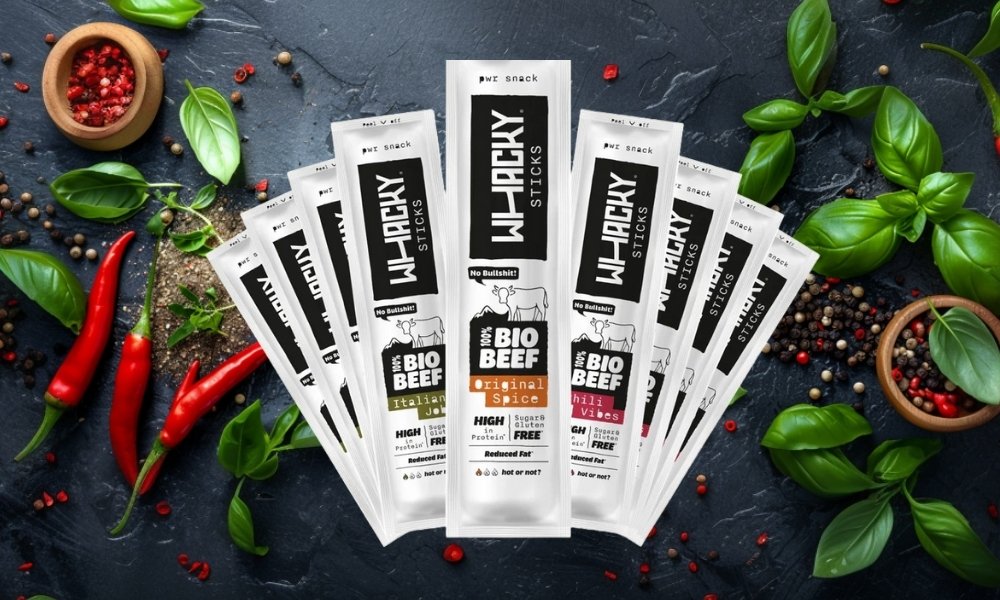
If you want to consistently follow a keto diet while on the go, opt for natural, long-lasting snacks that keep you in ketosis – like the Whacky Organic Beef Sticks :
-
100% organic beef
-
0 g sugar, 0 g carbohydrates
-
10g of protein per stick
-
Perfect for the office, travel, or training
👉 This keeps keto simple, delicious and sustainable.
💬 Conclusion in one sentence:
Keto is not about deprivation, but a decision – for energy, focus and health through natural fat burning.