Brief summary
Many people who start the keto diet notice increased hair loss after a few weeks. The reason: calorie deficit, nutrient deficiencies, or stress can disrupt the hair growth cycle. Fortunately, keto hair loss is usually only temporary. With sufficient calories, protein, micronutrients, and good stress management, you can strengthen your hair again. In this article, you'll learn about the most common causes and receive six specific tips to combat hair loss while on keto.
What is the keto diet?
The ketogenic diet – or keto for short – is a way of eating with the motto: high fat, low carb. If you're new to the topic, you'll find a detailed explanation of the basics, macronutrients, and ketosis in the comprehensive guide to the keto diet .
Due to the severe carbohydrate restriction, the body changes its energy metabolism: instead of using glucose from carbohydrates, it uses ketone bodies from fats . This state is called "ketosis." Many people report rapid weight loss, more stable energy levels, and improved mental clarity . However, like any profound change, the keto diet also has side effects – one of which can be hair loss.
What can you eat on a keto diet?
Suitable foods for keto include, for example:
✅ Healthy fats : avocado, olive oil, coconut oil, nuts, seeds
✅ Protein sources : meat, fish, eggs, cheese
✅ Vegetables : especially green varieties such as spinach, broccoli, zucchini
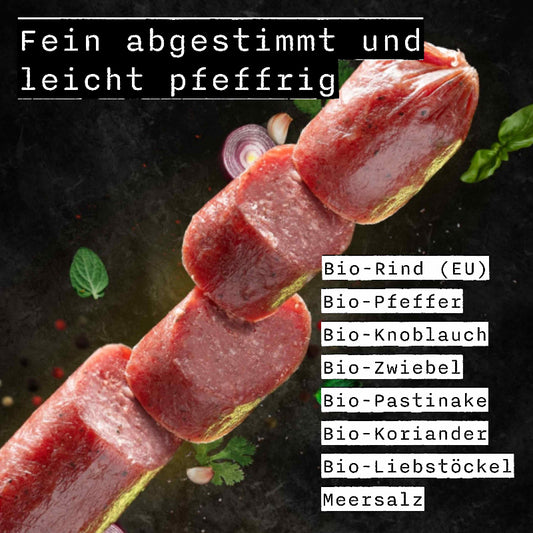
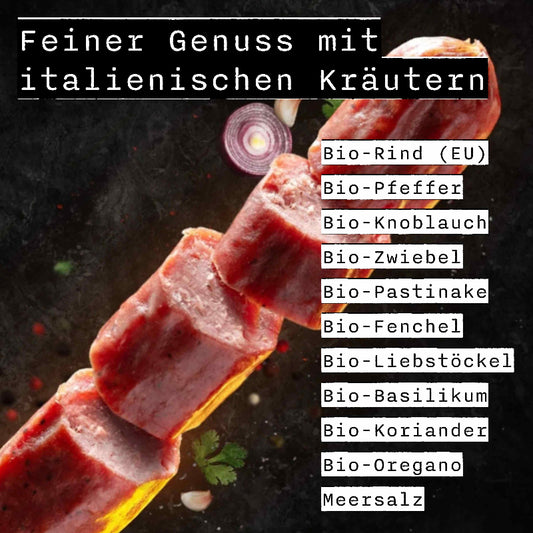
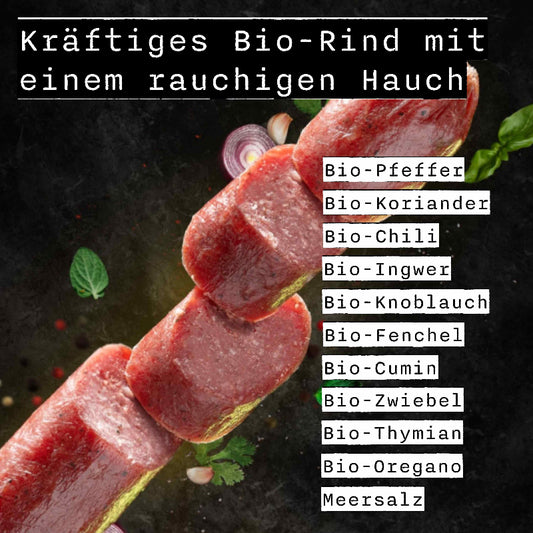
✅ Snacks : Nuts or organic beef sticks
Not allowed or greatly reduced: bread, pasta, rice, potatoes, sugar, sweets and most fruits.
Tip: A balanced food selection is important – because a one-sided diet can promote nutrient deficiencies, which in turn can contribute to hair loss.
Causes of hair loss on keto
Hair growth cycle – understanding the foundation
The hair on the head goes through three phases:
- Anagen (growth)
- Catagen (transition, ~2–3 weeks)
-
Telogen (rest, ~1–4 months)
Normally, 85–90% of hairs are in the growth phase , with only about 10–15% in the resting phase. Stress or deficiency shifts this ratio: more hairs enter the telogen phase simultaneously – resulting in telogen effluvium (TE) .
Telogenetic effluvium (TE):
-
It occurs 2–4 months after a trigger (e.g., crash diet, severe weight loss, infection, stress).
-
can affect up to 50% of the head hair
-
It is usually reversible and improves within 6–9 months.
This mechanism explains why keto hair loss often begins with a delay after the switch to a keto diet .
Calorie deficit & rapid weight loss
Many people start keto to lose weight. However, those who go into too large a calorie deficit put their bodies under stress. The result: energy is conserved – and hair growth enters a resting phase.
Many of these problems arise from typical beginner mistakes on the ketogenic diet – such as too large a calorie deficit or nutrient deficiencies. Here's an overview of the most common causes: The 10 most common mistakes on the keto diet .
Insufficient calorie intake
A common mistake on the keto diet is eating too little, because fats keep you feeling full for a long time. However, a persistent energy deficit weakens the hair follicles.
Nutrient deficiency (vitamins and minerals)
By avoiding fruit, whole grains and many vegetables, you may be deficient in micronutrients: iron, zinc, biotin, B vitamins, vitamin A or selenium are crucial for hair formation.
Protein deficiency
Hair consists mainly of keratin , a protein. Without protein, the body lacks the building material.
👉 Practical tip : In addition to classic protein sources like eggs or fish, Whacky's organic beef sticks can also be a clean option – they provide 31% protein, 0% sugar, and are low in carbs . Ideal for on the go and a convenient way to meet your protein needs.
Iron deficiency & adrenal glands
Iron is crucial for the oxygen supply to the hair roots. Ferritin levels become critical at ≤ 40 µg/L (or ≤ 70 µg/L in cases of inflammation). Overburdening of the adrenal glands due to stress can also exacerbate hair loss.
Stress & lack of sleep
Chronic stress increases cortisol levels – and this causes hair follicles to enter the resting phase more quickly. Lack of sleep or overtraining are also risk factors.
thyroid
The thyroid gland regulates metabolism and growth. Hypothyroidism or hormonal imbalances can exacerbate hair loss, especially in combination with restrictive diets.
What helps against hair loss on keto diets?
✅ Replenish nutrients
-
Iron : red meat, spinach, pumpkin seeds
- Zinc : beef, cheese, nuts
- Biotin : Eggs, almonds, liver
-
Vitamin C : Bell peppers, citrus fruits (in moderation)
-
Selenium : Brazil nuts, fish
- Copper, silicon, B vitamins : through a varied diet
A balanced selection of nutrient-rich foods is crucial. This overview provides all suitable options: Keto Food List .
✅ Increase protein intake
-
Recommendation: 1.2–1.6 g of protein per kg of body weight
-
Good sources: meat, fish, eggs, Greek yogurt
-> Convenient: Snacks like Whacky Organic Beef Sticks (0% sugar, 31% protein)
Men vs. women – different risks
- Women : more frequent iron deficiency due to menstruation, more restrictive eating habits, hormonal fluctuations.
-
Men : often a genetic component (androgenetic alopecia) that can exacerbate keto-induced hair loss.
Vegetarian/Vegan Keto & Protein Quality
-
Risk: limited amino acids (e.g., methionine, cysteine).
-
Solution: Combination of tofu, seitan, lupin protein, hemp protein or supplementation with whey/pea protein.
✅ Reduce stress & optimize sleep
-
7–8 hours of sleep
-
Yoga, meditation, moderate exercise
✅ Home remedies & supplements
-
MSM (sulfur for keratin formation)
-
Bone broth (minerals, collagen)
-
Collagen powder (hair structure)
-
Zinc & Biotin Supplements
When to see a doctor.
-
For severe, persistent hair loss
-
Laboratory tests: Ferritin, thyroid, vitamin D, hormone levels
Practical tool: Checklist “Keto & Hair Loss – Check Immediately”
✅ Checklist – 5 steps against hair loss on keto
-
Check calorie balance → no extreme deficit (not permanently < 1200 kcal).
-
Ensure adequate protein intake → 1.2–1.6 g protein per kg body weight.
-
Check ferritin → target value > 40 µg/L (women), > 70 µg/L for inflammation.
-
Reduce stress & optimize sleep → 7–8 hours per night, lower cortisol.
-
Ensure adequate nutrient supply → iron, zinc, biotin, vitamin D, B complex, selenium.
"Top protein sources for keto"

Conclusion
Keto hair loss is a scary experience for many, but it's usually only temporary. The key is to ensure you're getting enough calories, protein, and micronutrients, reducing stress, and giving your body time to adjust. With small adjustments—and practical solutions like protein-rich snacks—you can strengthen your hair and continue to enjoy the benefits of the keto diet.
If you want to implement keto holistically and healthily, be sure to read our complete guide to the ketogenic diet – there you will find all the basics for a sustainable start.