Imagine completely eliminating vegetables, fruit, and carbohydrates from your diet – and eating only meat, fish, eggs, and a few dairy products. Sounds radical? That's exactly what the Carnivore Diet is all about, a nutritional trend that has gained enormous attention in recent years. Fans report weight loss, improved energy, and mental clarity – critics warn of nutritional deficiencies and health risks.
Brief summary
The carnivore diet focuses on meat, fish, eggs, and animal products – and completely eliminates carbohydrates. In our comprehensive Carnivore Diet Guide 2025, you'll learn everything about the benefits and risks, how to get started with a 7-day plan and recipes, common mistakes, testimonials, and the latest research. Perfect for anyone who wants to try or understand this radical dietary trend.
Introduction
The carnivore diet polarizes opinions like almost no other dietary concept. While some celebrate it as the "ultimate low-carb option," others consider it a dangerous experiment for one's health. The fact is: anyone who eats exclusively animal products is straying from traditional dietary guidelines – and that's precisely why the topic is so hotly debated.
This guide tells you everything you need to know about the carnivore diet in 2025:
- what the diet is exactly and how it works,
- which foods are allowed – and which are taboo,
- what opportunities and advantages there are,
-
but also what risks and side effects you should be aware of.
You'll also get practical tips for getting started, a 7-day meal plan , delicious recipes, and a comparison to keto and paleo diets. Whether you want to try the carnivore diet or are simply looking for reliable information – you'll find the complete overview here.
👉 Let's get straight to the point: What exactly is the carnivore diet – and why is it so controversial?
What is the carnivore diet?
The carnivore diet is an extreme form of low-carb eating. Instead of drastically reducing carbohydrates as in the keto diet, it practically eliminates them. The diet consists exclusively of animal products – meat, fish, eggs, and, depending on the specific version, dairy products. Vegetables, fruits, grains, legumes, and sugar are forbidden.
Origin & Development
The carnivore diet evolved from the keto community in the USA. Influencers like Shawn Baker (a former doctor) popularized it by sharing their personal success stories on social media. Today, there is a growing international scene that promotes the diet as a "solution to all modern lifestyle diseases."
Basic principles
- Focus: 100% animal products
- Goal: Zero Carb (0–10 g carbohydrates per day)
- Energy: mainly from fat & protein
-
Duration: from short-term experiments to long-term nutrition
Differentiation from Keto & Paleo
- Keto: allows vegetables, nuts, berries – not for carnivores
- Paleo: based on a "Stone Age diet" with meat, fish, vegetables & fruits – Carnivore is significantly more restrictive
-
Carnivore: completely excludes plant-based foods
This is how the carnivore diet works
The implementation sounds simple, but is often a challenge in everyday life.
✅ Permitted foods
- Beef, pork, lamb, game
-
Fish & Seafood
-
eggs
- Offal (liver, heart, kidney – important for vitamins)
-
Animal fats (butter, lard, tallow)
-
Cheese, yogurt (in a liberal interpretation)
👉 Tip: If you're planning a longer Carnivore diet, you should definitely include offal – this is the only way to ensure a reasonable supply of vitamin A, B vitamins and minerals.
❌ Forbidden foods
-
Vegetables & Fruit
-
Grains & Pulses
-
Sugar, sweets, alcohol
-
Vegetable oils
-
Coffee & tea (controversial – some allow them in moderation)
Typical daily routine (example)
-
Breakfast: Scrambled eggs with bacon
-
Lunch: Steak or salmon fillet
-
Snack: Beef jerky or eggs
-
Evening: Burger patties with cheese
- Drinks: Water, mineral water, possibly black coffee
Benefits of the Carnivore Diet
Proponents of the carnivore diet rave about its numerous positive effects. Many of these are anecdotal, but some can also be scientifically verified.
✅ Weight loss & fat burning
Eliminating all carbohydrates switches the metabolism to fat burning . Similar to the keto diet, insulin levels drop, and the body increasingly draws on stored fat reserves. Because the diet is very satiating (meat + fat = long-lasting satiety), many people automatically eat fewer calories – which can lead to rapid weight loss.
✅ Fewer inflammations & skin problems
Proponents report improvements in autoimmune diseases, skin problems (e.g., acne, eczema) , or joint pain. One explanation is that by eliminating many potentially inflammatory plant substances, gluten, or sugar, certain triggers are eliminated. While this has not yet been sufficiently studied scientifically, there are numerous anecdotal reports.
✅ Mental clarity & energy
Many people who follow a carnivore diet report clearer thinking, more stable energy, and fewer cravings . This may be because blood sugar fluctuations are eliminated and the brain is supplied with a steady supply of ketones.
Comparison to other diets
-
Keto: allows more variety, but often causes cravings due to "limits" on carbohydrates.
-
Low carb: less radical, but also less rapid results.
-
Carnivore: extremely simple (no tracking apps needed), but also extremely one-sided.
Risks & Side Effects of the Carnivore Diet
As simple as the carnivore diet may seem, it also presents significant challenges and potential health risks. Many of these depend on how strictly the diet is followed and how long it is maintained.
Vitamin and mineral deficiencies (vitamin C, magnesium, fiber)
Since fruits, vegetables, and whole grains are completely eliminated, nutrient deficiencies can quickly develop. The following are particularly critical:
-
Vitamin C → important for the immune system & collagen, hardly found in meat (exception: liver, eaten raw)
-
Magnesium → essential for muscles & nerves, found almost exclusively in plant-based foods
-
Dietary fiber → completely lacking, which can negatively impact gut health in the long term.
Effects on cholesterol & cardiovascular system
A diet consisting almost entirely of saturated fats can significantly raise LDL cholesterol levels . The risk of cardiovascular disease varies from person to person – some react strongly, others hardly at all. Current studies are contradictory, so doctors recommend regular blood tests.
Digestive problems (bowel movements, microbiome)
Without fiber, the gut microbiome changes significantly. Typical consequences include:
-
constipation or diarrhea
-
limited diversity of the intestinal flora
- Possible long-term effects on gut health (not yet sufficiently researched)
You can find a detailed overview in our article about the risks and side effects of the carnivore diet .
For whom is it unsuitable?
The carnivore diet is not suitable for everyone. Special caution is advised for:
-
Pregnant and breastfeeding women (increased nutritional needs)
-
Children & adolescents (growth, development)
- People with cardiovascular disease (due to cholesterol risk)
- People with kidney problems (high protein intake)
Opportunities & Risks at a Glance
|
Carnivore Diet Meal Plan & Getting Started
Many people find starting a carnivore diet radical – yet the concept is extremely simple: only animal products . To make it easier for you to get started, you'll find a compact meal plan, a shopping list, and practical everyday tips here.
📅 Start with our 7-day plan – for a safe start without planning stress.
|
Shopping list for beginners
So that you don't stand clueless in front of the meat counter, here are the basics:
-
Meat: Beef, pork, lamb, game, poultry (preferably in different cuts)
-
Offal: liver, heart, kidney (important for vitamin supply)
-
Fish & seafood: salmon, trout, mackerel, shrimp
-
Eggs: preferably organic or free-range
-
Dairy products (optional): cheese, butter, yogurt (if tolerated)
-
Fats: Beef fat, goose fat, butter, bone marrow
-
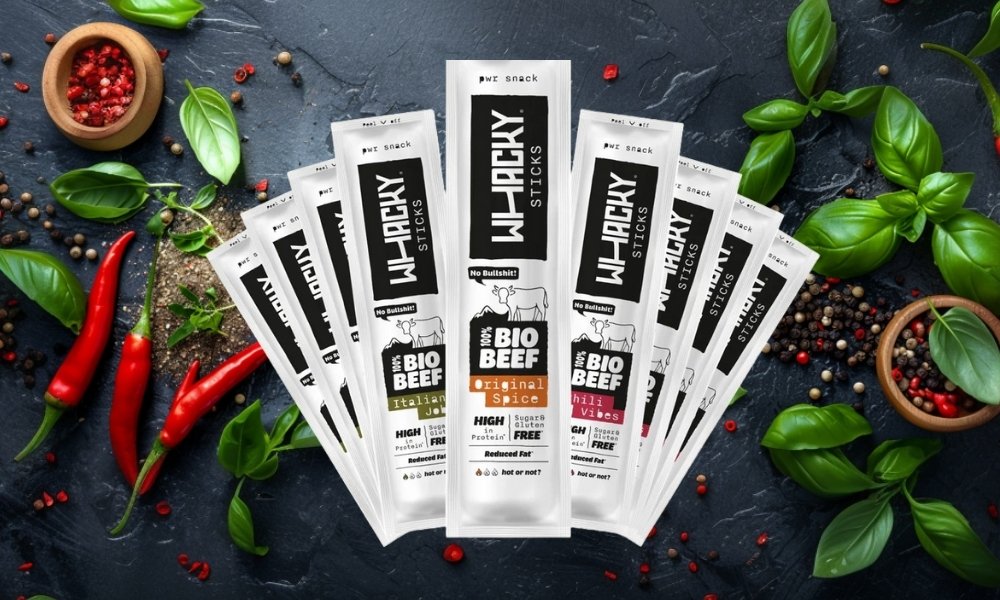
Snacks: Organic beef sticks , beef jerky, hard-boiled eggs, dried fish
💡 Tip: Plan for variety – otherwise it will quickly become monotonous and your nutrient supply will suffer.
📥 Get the free grocery list as a PDF – always handy for shopping & meal prep.
👉 "If you want to delve deeper into the topic, check out our article 7-Day Carnivore Diet Plan – there you will find all the information you need for a structured start."
Meal prep & everyday tips
(Restaurant, travel, family)
Meal prep:
-
Cook larger portions of meat in advance over the weekend (steaks, minced meat, chicken legs).
-
Prepare bone broth – it can be frozen and quickly heated.
-
Boiled eggs & Keep organic beef sticks and beef jerky readily available as snacks.
Restaurant:
-
Steakhouses, grill restaurants, or fish restaurants are carnivore-friendly.
-
Simply cancel the side dishes – order extra eggs or more meat instead.
Travel:
-
Pack protein snacks (beef jerky, dried fish).
-
Buy meat, eggs or cheese at markets or supermarkets.
Family & Everyday Life:
-
Shared meals: Cook meat as a base, add side dishes for the family.
Open communication: Explain that it is a nutritional experimentation phase.
Recipes for the carnivore diet
Even though the carnivore diet seems very restrictive, there are surprisingly many ways to prepare varied meals. The key is to combine different types of meat and cooking methods – this keeps things interesting and ensures better nutrient intake.
Breakfast (e.g. eggs, bacon, liverwurst)
-
Scrambled eggs with bacon: Classic, quick to make, and keeps you full for a long time.
-
Liverwurst omelet: Protein plus valuable vitamins from the liver.
-
Egg muffins: Pre-baked in the oven, ideal for meal prep and on the go.
-
Fish breakfast: Smoked salmon or mackerel with a fried egg – rich in Omega-3.
Lunch (steak, fish, offal)
-
Ribeye steak: Fried in butter, with bone marrow as a "sauce".
-
Salmon fillet: Pan-fried with butter, optional lemon juice (for purists: omit).
-
Oven-baked chicken thighs: Crispy baked, rich in fat and protein.
-
Beef liver with onion butter: Liver provides vitamin A, iron and B vitamins.
Dinner (burger patties, bone broth)
-
Carnivore Burger: Pure beef patties, optionally with cheese, without a bun.
-
Bone broth: Slowly cooked from marrow bones – ideal for minerals and collagen.
-
Duck breast cooked in clarified butter: Crispy on the outside, juicy in the center.
-
Grilled shrimp: Light, high in protein and versatile.
Snacks & simple alternatives
-
Organic beef sticks , beef jerky or biltong → ideal for on the go.
-
Hard-boiled eggs → meal prep classic.
-
Cheese cubes → if dairy products are allowed.
-
Dried fish (stockfish, canned sardines) → high in protein and long-lasting.
💡 Pro tip: Vary your diet by choosing red meats (beef, lamb) , poultry , and fish . This not only adds flavor but also provides a range of nutrients.
👉 Want more recipes? Find more ideas here: Carnivore Diet Recipes: Breakfast, Lunch, Dinner & Snacks
Carnivore vs. Keto vs. Paleo
The carnivore diet is not the only low-carb diet. It is often compared to keto and paleo diets . The differences lie primarily in the permitted foods, the carbohydrate content, and the target audience.
Comparison table: Differences at a glance
|
Which diet is suitable for whom?
-
Carnivore diet
Suitable for people seeking a radical dietary change , who don't want to count calories and want to test how their body reacts to a "zero carb" diet. Especially popular with people with chronic ailments or autoimmune problems (anecdotal).
-
Keto diet
Ideal for people who want to lose weight , stabilize their blood sugar or optimize their energy – without completely foregoing vegetables and some variety.
- Paleo diet
For those seeking a natural, balanced low-carb diet that still includes fruits, vegetables, and nuts. More practical for everyday life than carnivore and keto diets.
Science & State of Research (2025)
Evidence for the carnivore diet is growing – but it is still thin and often indirect (model calculations, surveys, short-term data). Long-term randomized controlled trials are still lacking. The most important points in brief:
Latest research findings (e.g. micronutrient analysis MOJO, Eikelmeier 2025)
-
Micronutrients (2025): A model analysis published in Nutrients (4 carnivore daily meal plans) confirms strengths in B vitamins, vitamin A, selenium, and zinc – and deficiencies in vitamin C, thiamin (B1), magnesium, and calcium ; dietary fiber remains significantly below recommendations. Conclusion: Without organ meats/dairy products/supplements, gaps are likely. ( doi.org )
-
Harvard survey (2021): In a (self-recruited) online survey of 2,029 carnivore users, many reported high satisfaction , few acute complaints , and, among other things, weight and HbA1c reductions . Cardiometabolic markers varied – and the survey has methodological limitations (bias, self-reporting). ( Europe PMC) )
-
Popular science summaries (2025): Blogs/reviews (including Eikelmeier's) address the new research findings, but also emphasize that high-quality data is scarce. ( Chris Eikelmeier )
Gray areas – what we (still) don't know
- Long-term safety: There are no robust long-term randomized controlled trials (RCTs) on cardiovascular outcomes, kidney function, and cancer risk under a strict carnivore diet. Observations and surveys are insufficient. ( Europe PMC) )
-
Microbiome & Dietary Fiber: The long-term effects of dietary fiber restriction on microbiome diversity/function are unclear. Model/theoretical studies call for monitoring rather than definitive answers. ( doi.org) )
-
Micronutrient requirements during ketosis: Hypotheses (e.g., altered vitamin C requirements or BHB as a butyrate "mimicry") are plausible but not proven – clinical data are needed. ( doi.org) )
Experiences & Success Stories
The carnivore diet relies heavily on individual anecdotal evidence . While long-term scientific data is still scarce, many people share their personal results in forums, blogs, or on social media. Important: These reports are subjective and not equivalent to clinical studies – but they can provide valuable insights.
Testimonials (anonymized examples)
-
Anna, 34, from Berlin: “I lost almost 12 kilos in the first three months with Carnivore. What was particularly pleasant was that my cravings for sweets completely disappeared. However, my cholesterol level rose slightly, so I now have regular blood tests.”
-
Markus, 42, competitive athlete: “For me, Carnivore was an experiment. I wanted to test whether I could improve my recovery. Result: I feel recovered faster after hard training sessions, but I keep a close eye on my protein intake – otherwise it tips into excess.”
-
Sabine, 29, autoimmune disease: “I suffer from psoriasis and noticed that my skin calmed down significantly after four weeks of Carnivore. I don't know if it will last long-term, but it was a real eye-opener for me.”
Typical goals (weight loss, autoimmune disease, sports)
-
Weight loss & metabolism: Many people use the carnivore diet as a "shortcut" to lose weight quickly. Because cravings disappear and satiety is high, it often works well in the short term.
-
Autoimmune & Inflammation: People with chronic conditions (e.g., rheumatism, skin problems) report improvements – but this is still hardly scientifically proven.
Sports & Performance: Some athletes use carnivores as a "reset" or to experimentally test their performance. Results vary – from increased energy to decreased performance due to a lack of carbohydrates.
Conclusion – Is the carnivore diet worthwhile?
The carnivore diet is one of the most radical diets of our time: On the one hand, many report rapid weight loss, increased energy, and even improvements in chronic conditions. On the other hand, there are clear risks such as nutrient deficiencies, changes in cholesterol levels, and potential problems with gut health and sustainability .
Who is it suitable for, and who is it not suitable for?
✅ Suitable for : People who want to try a dietary experiment, don't want to count calories, and are willing to monitor their blood levels regularly. In the short term, a carnivore diet can "reset" your metabolism or curb cravings.
❌ Not suitable for : pregnant women, children, people with kidney or cardiovascular diseases, and anyone who wants to rely on a balanced diet in the long term.
👉 If you want to try the carnivore diet, start in a structured and informed way :
📅 Start with our 7-day nutrition plan – for a safe start without planning stress.
📥 Get the free grocery list as a PDF – always handy for shopping & meal prep.